 By
The simplest ecommerce funnel for small brands is one clear offer, one fast mobile landing or product page, one low-friction checkout, one post-purchase offer and tracking that captures the main purchase events reliably. If you are spending modest budgets on Meta, TikTok or Google ads, do not build a complicated funnel first; build the shortest path from ad click to order, then improve it from real traffic.
Your first goal is not to copy a large brand’s stack. Your first goal is to remove uncertainty: what are you selling, why should someone buy now, how fast can they understand it on mobile, and can you measure enough to make the next decision?
What is the simplest ecommerce funnel for small brands?
The simplest ecommerce funnel for small brands is an ad, a focused page, a clear offer, a simple checkout, a post-purchase offer and clean tracking. That is enough structure to run paid traffic without overbuilding the store.
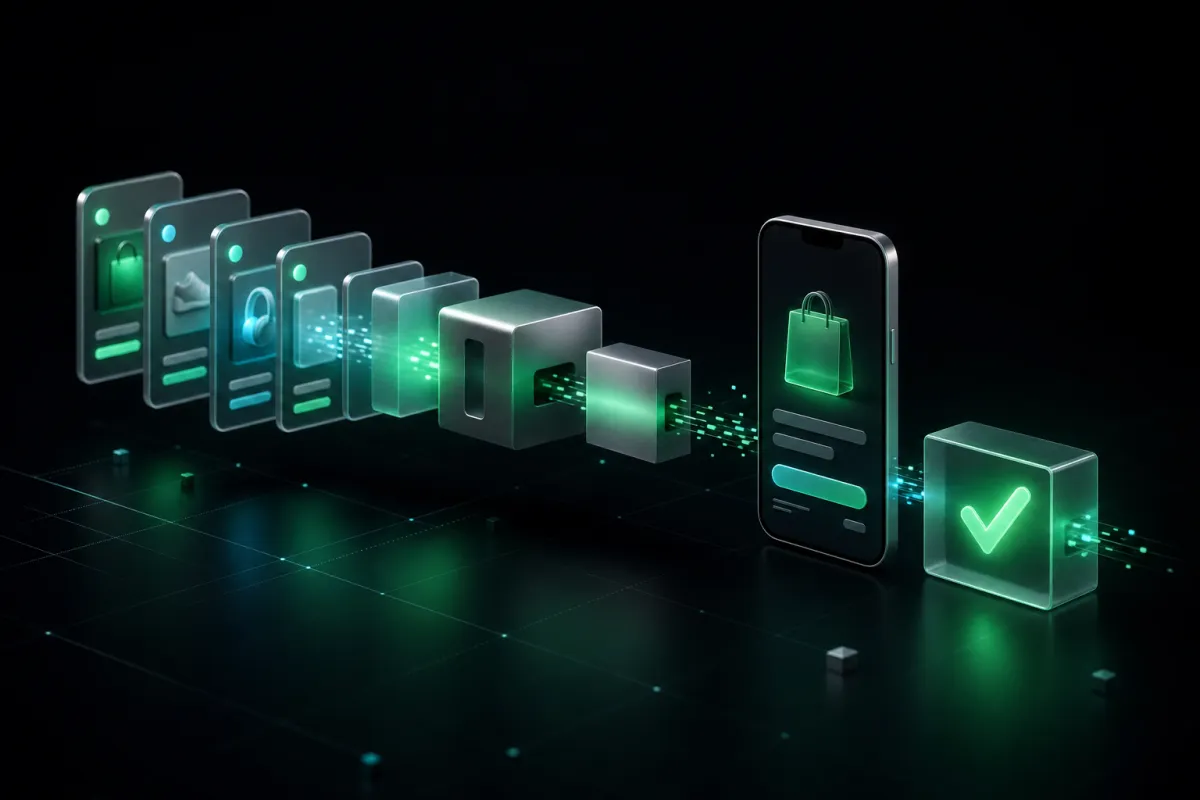
A practical version looks like this:
- Ad: Meta, TikTok or Google sends shoppers to one focused destination.
- Landing page or product page: The page explains the product, offer, proof, shipping basics and return basics without making shoppers hunt.
- Cart and checkout: The shopper can buy with minimal form fields, clear totals and familiar payment methods.
- Post-purchase offer: After purchase, the shopper sees one relevant add-on, bundle or subscription option.
- Tracking: Browser pixel and server-side events, often called a conversions API setup, send the important events back to your ad and analytics tools.
That is the foundation. You can add quizzes, advertorials, multiple upsells, email branches and subscription logic later, but only after the basic funnel proves it can sell.
Should paid ads go to a landing page or a product page?
Send paid ads to a landing page when the product needs explanation, and send them to a product page when the shopper already understands the category and the product page is strong. The right choice depends on buyer awareness, not on a universal rule.
A dedicated landing page is usually better when you need to tell a story. Use it for new products, unfamiliar ingredients, bundles, comparisons, problem-solution angles, creator-led campaigns or offers that need context.
A product page is usually better when the product is simple, the audience is high intent, or the ad already does most of the explaining. Search ads for a specific product category often work well with a strong product page because the shopper is already looking for something close to what you sell.
The mistake is sending cold paid traffic to a generic collection page or homepage and hoping shoppers figure it out. A paid click needs continuity. The message in the ad should match the headline, product, price framing and call to action on the page.
If you use Shopify, start by improving the product page before building a separate landing-page system. A clean Shopify product page can work well when it has strong mobile layout, fast loading, clear options, visible reviews or proof, shipping clarity and a direct add-to-cart path.
What should the first paid ad offer include?
Your first paid ad offer should sell one main product or bundle with one simple reason to buy now. Small brands usually learn faster from a narrow offer than from sending traffic to a full catalog.
A good first offer has these parts:
- One primary product or bundle: Avoid making new shoppers choose from too many similar options.
- Clear value framing: Explain what they get, who it is for and why it is different.
- Visible total cost: Do not hide important shipping, subscription or discount conditions.
- Low-friction decision: Make the default choice obvious, especially on mobile.
- Reasonable risk reversal: State return, guarantee or support basics in plain language.
Bundles can be useful, but do not make the first funnel depend on a complicated bundle builder unless your category requires it. If shoppers need too many decisions before they reach checkout, your ad traffic will expose every weak spot.
For many small DTC brands, the best first paid funnel is a hero SKU, a starter kit or a simple bundle with an optional subscription. That gives you enough average order value to work with while keeping the page easy to understand.
Why mobile speed matters before you scale paid traffic
Mobile speed matters because most paid ad clicks are impatient, distracted and one tap away from leaving. Before you scale budget, your mobile page should load quickly, stay stable and make the next action obvious.
Speed is not just a technical metric. It affects whether the shopper sees the offer, whether the add-to-cart button responds, whether images jump around, and whether checkout feels trustworthy.
For a small brand, the speed checklist is simple:
- Compress and resize hero images for mobile.
- Remove unused apps, scripts and tags from the funnel path.
- Keep video lightweight and avoid autoplay that slows the first view.
- Use a sticky add-to-cart button only if it does not cover important content.
- Test the actual ad destination, not only the homepage.
- Check speed on mobile connections, not only office Wi-Fi.
If your store is on Shopify and paid traffic is getting sent to slow pages, fix that before rebuilding the funnel. Bytecode’s Shopify speed optimization work focuses on the practical page-level issues that affect real shoppers, not cosmetic score chasing.
You can also request a free store and funnel speed plus SEO audit if you want a practical read on the pages you are sending ad traffic to.
What should checkout look like for a small DTC funnel?
Checkout should be short, predictable and consistent with the offer the shopper just accepted. The job of checkout is not to keep selling the whole brand; it is to let the shopper complete the order without surprise.
For a modest paid ad funnel, focus on the basics:
- Clear cart contents: Product, quantity, variant and discount should be obvious.
- Clear delivery and return expectations: Do not make shoppers leave checkout to answer basic questions.
- Trusted payment options: Offer the payment methods your shoppers expect where your platform supports them.
- Minimal distractions: Remove unnecessary navigation and unrelated promos from the final path.
- Mobile form usability: Fields, labels, error states and buttons should be easy to tap.
Shopify is strong for brands that want a hosted commerce platform with a familiar checkout and app ecosystem. Shopify Plus can make sense when a brand needs more control, B2B features, higher operational complexity or enterprise workflows.
CheckoutChamp, sticky.io, ClickFunnels and Funnelish are commonly used by brands that want dedicated funnel, checkout or campaign workflows. Each platform has its own strengths and current feature set, so confirm details on the vendor’s site before choosing.
Submerce is Bytecode’s own product, a simple checkout and sales-funnel platform for brands that sell direct, built to be easy to set up and easy to run, currently in early access at submerce.app. Bytecode also plans and executes migration work, and continues building and supporting CheckoutChamp and Shopify setups.
Do you need a post-purchase offer?
Yes, you usually want one post-purchase offer, but only one at first. A post-purchase offer lets you increase order value after the customer has completed the initial purchase, without adding friction before checkout.
The safest first offer is closely related to the product just purchased. Examples include an extra unit, a refill, a travel size, a complementary accessory, a subscription option or a bundle upgrade.
Keep it simple:
- Make the offer easy to understand in one screen.
- Do not require the customer to re-enter payment details if your platform supports a smoother flow.
- Use one decision, not a chain of decisions.
- Make declining the offer clear and respectful.
- Track whether the offer is accepted, not only whether the first order happened.
Zipify, ReConvert and AfterSell are examples of tools used in the Shopify ecosystem for upsell and post-purchase workflows, depending on the store’s needs and the features available at the time you evaluate them. Confirm current capabilities on each vendor’s site because platform rules and app features change.
What tracking does a small paid funnel need?
A small paid funnel needs browser pixel tracking, server-side purchase events and clean analytics for the main steps in the buying path. You do not need a giant measurement stack, but you do need enough signal to know what happened after the click.
At minimum, track these events where your tools support them:
- Page view or landing page view.
- Product view.
- Add to cart.
- Begin checkout.
- Purchase.
- Post-purchase offer view and acceptance, if available.
Browser pixels can miss some activity because of browser settings, consent choices, network issues and app behavior. Server-side events or conversions API setups can help send important events from your server or commerce platform to ad platforms in a more controlled way.
Do not treat server-side tracking as magic. It still needs correct event names, clean order data, consent-aware implementation, deduplication between browser and server events, and regular testing after app or theme changes.
As of 2026, privacy, consent, email/SMS rules and data-sharing requirements continue to change in the US, Canada and ad platforms. This is not legal advice; get qualified legal guidance for your privacy policy, consent flow and data use.
What should you test first with modest ad budgets?
Test the biggest decisions first: audience-message fit, offer clarity, page format and checkout friction. Do not spend early budget testing tiny button colors before you know whether the offer and page make sense.
A good first testing order is:
- Ad angle: Test different reasons someone would care, such as problem, outcome, ingredient, use case or comparison.
- Offer: Test hero product versus starter bundle, or one-time purchase versus subscription framing if both are real options.
- Destination: Test product page versus focused landing page.
- Page content: Test headline, hero section, proof, FAQs and shipping clarity.
- Checkout path: Fix friction shown by drop-offs, support tickets or session recordings.
- Post-purchase offer: Test one relevant offer after the initial purchase path is working.
Change fewer things at a time than you want to. Small brands often confuse themselves by changing ads, page, pricing, checkout and offer all in the same week, then not knowing what mattered.
If mobile checkout is where the funnel breaks, start with the fixes in Mobile Checkout Abandonment: 7 Fixes That Actually Move the Needle. It covers practical issues like form friction, surprise costs and weak payment flows.
What should small brands not build yet?
Small brands should not build advanced funnel infrastructure until the simple funnel has enough real traffic and orders to justify it. Complexity creates maintenance work before it creates learning.
Usually, you can wait on:
- Multi-step quizzes unless the product truly requires diagnosis or personalization.
- Separate landing pages for every minor audience segment.
- Long upsell chains before you know the first post-purchase offer is relevant.
- Custom attribution dashboards before your core events are accurate.
- Headless commerce unless there is a clear technical or operational reason.
- Large custom apps for problems that can be solved with theme work, settings or a focused integration.
This does not mean those tools are wrong. It means timing matters. Large brands often need more complex systems because they have more traffic, more products, more markets and more operational constraints. A small brand running early paid campaigns needs speed of learning first.
A practical launch checklist for your first paid ad funnel
Use this checklist before turning on or increasing paid traffic to a new funnel. It catches the common issues that make early ad tests hard to read.
- The ad promise matches the page headline and product shown.
- The page has one primary call to action above the fold on mobile.
- The offer is easy to understand without reading every section.
- Shipping, returns and subscription terms are clear where relevant.
- Images are compressed and mobile layout is stable.
- Cart and checkout work on current iOS and Android browsers.
- Discounts, bundles and variants behave correctly.
- Pixel and server-side purchase events are tested.
- Test orders are excluded or labeled correctly in reporting where possible.
- One post-purchase offer is active, or deliberately skipped for the first test.
- Support email, order notifications and fulfillment flow are ready.
- Someone owns the weekly review of ad, page, checkout and tracking data.
If you cannot check these boxes, do not compensate by adding more tools. Fix the path first.
Frequently asked questions
What is the best ecommerce funnel for small brands running ads?
The best ecommerce funnel for small brands is usually one ad angle, one focused product or bundle page, a simple checkout, one post-purchase offer and reliable purchase tracking. It gives you enough structure to learn without creating a system that is difficult to manage.
Should a small Shopify brand use a landing page or product page for ads?
Use a landing page when the offer needs education, comparison or storytelling. Use a product page when the shopper already understands the category and the product page clearly explains the offer, proof, shipping and next step.
Do I need server-side tracking for a small paid ad funnel?
You should consider server-side tracking or conversions API setup if paid ads are becoming an important channel. It helps send key events more reliably, but it must be implemented with correct event mapping, deduplication and privacy-aware consent handling.
How many upsells should a small DTC brand start with?
Start with one post-purchase offer. If that offer is relevant and measurable, you can test variations later, but long upsell chains are usually unnecessary before the core funnel works.
When should I move beyond a simple funnel?
Move beyond a simple funnel when you have clear evidence that the current bottleneck is not the offer, page, checkout or tracking basics. At that point, quizzes, segmentation, custom apps or more advanced funnel platforms can be evaluated against a specific operational need.
Want help simplifying your paid ad funnel?
If you are spending on ads but your store, checkout or tracking feels harder to trust than it should, Bytecode can help you tighten the path before you add more tools. Bytecode, a New York-based web, SaaS and e-commerce development studio working with brands across the US and Canada, builds and supports Shopify, CheckoutChamp and custom funnel setups.
If you want a practical review of what to fix first, talk to Bytecode.