By
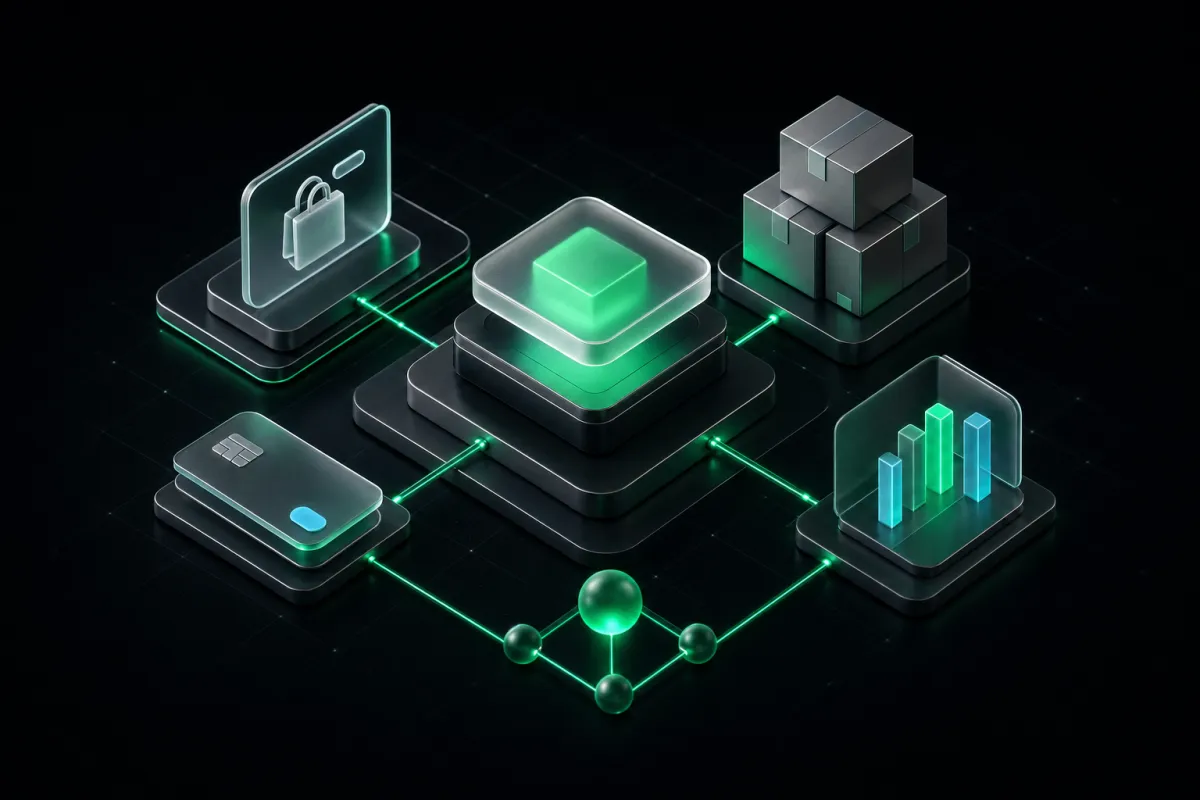
To start a DTC brand in the US, you need a reliable storefront, a clean checkout, payments, email/SMS, basic reviews, fulfillment, analytics and a simple ad tracking setup. You do not need a complex custom platform on day one unless your product, compliance needs or buying experience truly requires it.
The safest first build is usually Shopify for speed and operational simplicity, or WooCommerce if you need deeper WordPress control and already have a content-heavy site. Your goal before launch is not to build every future feature; it is to make the first purchase, shipment, refund, support ticket and reorder work without duct tape.
Key takeaways
- Most first-time US DTC brands should launch on Shopify or WooCommerce before considering a fully custom commerce stack.
- Your pre-launch stack should cover storefront, checkout, payments, tax settings, shipping, email/SMS, analytics and customer support.
- Reviews, subscriptions, loyalty, quizzes and post-purchase upsells are useful, but most brands should add them after the core store is stable.
- Sales tax, privacy and marketing consent rules affect the launch stack, so configure the tools carefully and get professional advice where needed.
- Do not install every app before launch; each app adds cost, maintenance, tracking complexity and possible speed issues.
What tech stack do you actually need to start a DTC brand?
The minimum DTC tech stack is the set of tools required to sell directly to customers, collect payment, fulfill orders, communicate with buyers and measure performance. DTC means direct-to-consumer: you sell through your own channel instead of relying only on retail or marketplaces.
For a first launch, your stack should be boring in the best way. It should be easy for a small team to operate, easy for customers to trust and easy to improve after real orders come in.
A practical launch stack includes:
- Storefront: Shopify, WooCommerce or a custom storefront if there is a strong reason.
- Checkout and payments: credit cards, express wallets and fraud controls.
- Product and content pages: clear product detail pages, ingredient or spec details, policies and FAQs.
- Email and SMS: welcome, abandoned checkout, order updates and post-purchase flows.
- Fulfillment: self-fulfillment, a 3PL or a hybrid process with shipping label software.
- Tracking: analytics, ad pixels, conversion APIs where appropriate and UTM discipline.
- Support: a help inbox, basic macros and clear return and shipping policies.
If you are still choosing the commerce platform, Bytecode’s teams work on both Shopify development and WooCommerce development, so the decision should come from your operating model, not platform loyalty.
Should you choose Shopify or WooCommerce for a first DTC launch?
Choose Shopify if you want the fastest path to a managed commerce backend, and choose WooCommerce if you need WordPress-native control over content, plugins and hosting. Both can work for a US DTC brand when implemented cleanly.
Shopify is usually the default for founders who want fewer hosting decisions, a strong app ecosystem and a checkout path that is familiar to many US shoppers. WooCommerce is often a better fit when the website is content-led, SEO-heavy or part of a broader WordPress system.
| Decision area | Shopify | WooCommerce |
|---|---|---|
| Best fit | Fast DTC launch with managed commerce operations | Content-heavy brand with WordPress control |
| Hosting | Managed by Shopify | You choose and manage hosting |
| Customization | Strong theme and app ecosystem with platform rules | Deep plugin and code control with more maintenance |
| Operations | Simpler for small teams that want fewer technical chores | Flexible for teams comfortable owning updates and hosting |
Do not pick WooCommerce only because it feels more flexible. Flexibility has a maintenance cost. Do not pick Shopify only because everyone else uses it. Platform constraints matter if your catalog, checkout flow or backend workflow is unusual.
If your business is still pre-launch, it can help to map the stack before you commit to apps and subscriptions. Bytecode offers a free launch consultation for founders starting a DTC brand.
What should be set up before launch?
Before launch, set up only the systems required to take orders, ship them, support customers and understand whether acquisition is working. Anything that does not support those jobs can usually wait.
Your pre-launch checklist should include:
- Domain and branded email: Use a real domain, set up DNS correctly and send customer emails from a branded address.
- Product catalog: Add clean product names, variant logic, pricing, inventory rules, images and product detail content.
- Core pages: Build home, product, collection, about, contact, shipping, returns, privacy and terms pages.
- Checkout: Test every payment method, discount code, shipping rate, tax setting and confirmation email.
- Payments: Enable credit cards and common express payment methods used by US shoppers.
- Email/SMS: Launch with welcome, abandoned checkout, order confirmation, shipping confirmation and post-purchase follow-up flows.
- Fulfillment: Decide who packs orders, how labels are generated, how tracking numbers sync and how returns are handled.
- Analytics: Configure GA4, platform analytics, ad pixels and conversion tracking before paid traffic starts.
- Customer support: Set up a shared inbox or help desk, support macros and internal rules for refunds and exchanges.
- QA: Place test orders on desktop and mobile, then confirm payment, inventory, fulfillment, email and analytics events.
For a Shopify-specific go-live pass, this Shopify store launch checklist covers the checks that often get missed before traffic starts.
What can wait until after the first orders?
Subscriptions, loyalty, complex quizzes, advanced personalization and multi-step funnel testing can usually wait until after you see real purchase behavior. Early complexity often hides the basics: unclear product positioning, weak product pages, slow pages or poor offer structure.
Consider adding these later:
- Loyalty programs: Useful after customers have a reason to reorder.
- Referral programs: Better after you know customers are happy enough to refer.
- Subscriptions: Strong for replenishable products, but only after pricing, shipping and cancellation policies are clear.
- Post-purchase upsells: Useful once the first product offer converts reliably.
- Product recommendation quizzes: Helpful for complex catalogs, but they need thoughtful UX and clean data.
- Custom apps: Worth building when off-the-shelf tools cannot support a workflow that matters to revenue or operations.
If your sales motion depends on checkout funnels, upsells or subscription-style offers, plan the architecture earlier. Some DTC teams use platforms such as CheckoutChamp for funnel-driven selling, while others prefer a simpler store-first setup. Bytecode is also building Submerce, an early access CheckoutChamp alternative for DTC brands that want a simpler commerce and checkout option.
How should you handle checkout and payments?
Your checkout should be fast, trustworthy and boring: the customer should understand the total cost, payment options, shipping timing and return policy before paying. A clever checkout is not useful if it creates doubt.
For a US DTC launch, configure these carefully:
- Card payments: Accept major credit and debit cards through your platform-supported processor.
- Express wallets: Enable common wallet options where your platform supports them.
- Buy now, pay later: Consider it if your product price and customer expectations support it.
- Fraud review: Set rules for suspicious orders, high-risk addresses and mismatched billing details.
- Discounts: Test discount stacking, influencer codes, welcome offers and abandoned cart offers.
- Refunds and exchanges: Make the operational process clear before the first complaint arrives.
Do not over-customize checkout before you have traffic. On many platforms, checkout customization is controlled for security and compliance reasons. If you need custom checkout behavior, validate whether it is actually possible on your plan and platform before designing around it.
What email and SMS setup does a new DTC brand need?
A new DTC brand needs a small number of well-tested email and SMS flows, not a complicated automation map. Start with messages that reduce confusion and recover high-intent shoppers.
Your first flows should include:
- Welcome flow: Introduce the brand, explain the product and make the first offer clear.
- Abandoned checkout: Remind shoppers who reached checkout but did not complete payment.
- Post-purchase: Confirm what happens next, explain usage and reduce support tickets.
- Shipping updates: Keep customers informed without forcing them to ask support.
- Review request: Ask for feedback after the customer has had enough time to use the product.
For SMS, be conservative. SMS can work well for time-sensitive messages, but US consent rules and customer expectations matter. Get explicit opt-in, make opt-out clear and avoid blasting customers just because a tool makes it easy.
How should you set up fulfillment, shipping and 3PLs?
Choose the simplest fulfillment setup that can ship accurately and on time. Many early brands start by shipping in-house, then move to a 3PL when order volume, storage needs or delivery expectations justify it.
A 3PL, or third-party logistics provider, stores inventory and ships orders for you. Before signing with a 3PL, confirm how inventory syncs, how returns are processed, how kitting works, how damaged goods are handled and how support issues are escalated.
For launch, document these decisions:
- Shipping zones: Define where in the US you ship at launch.
- Shipping rates: Decide whether you use free shipping, flat rates or carrier-calculated rates.
- Packaging: Confirm packaging dimensions, inserts and any product protection needs.
- Inventory ownership: Decide who updates stock counts and how often.
- Returns: Make the return window, condition rules and refund timing clear.
Fulfillment mistakes become customer support problems quickly. Run test orders through the full process before launching ads.
What tracking should be in place before your first ads?
Before your first ads, set up analytics and conversion tracking well enough to compare traffic quality, landing pages and offers. You will not get perfect attribution, but you need enough signal to avoid guessing.
At minimum, set up:
- GA4: Track page views, product views, add to cart, checkout and purchase events.
- Platform analytics: Use Shopify or WooCommerce reporting as an operational source of truth.
- Ad pixels: Install the pixels for the ad platforms you will actually use at launch.
- Server-side or conversion API tracking: Consider it for better event reliability where supported.
- UTM naming: Use consistent campaign, source and medium names from the first test.
- Post-purchase survey: Ask how customers heard about you to add qualitative signal.
Do not wait until after launch to configure tracking. If the first week of traffic is untracked, you lose the cleanest early learning window.
What about sales tax, privacy and compliance in the US?
As of 2026, US DTC brands should treat sales tax, privacy disclosures, payment rules and marketing consent as launch requirements, not later cleanup tasks. The exact requirements depend on your states, products, revenue, sales volume and marketing practices.
For sales tax, configure your commerce platform so tax collection settings match your business obligations. Many brands use platform tax tools or specialized tax software, but the tool does not replace judgment about where you have nexus and what products are taxable.
For privacy and marketing consent, make sure your privacy policy, cookie practices, email opt-ins and SMS opt-ins match how your tools actually work. If you sell regulated products, make compliance part of the product and checkout design, not a footer link added at the end.
This is general information for US founders and is not legal or tax advice; talk with a qualified US attorney or tax professional about your specific business.
How should you approach your first ads and landing pages?
Your first ads should test product-market messaging, offer clarity and landing page performance, not a giant media plan. Start with a small number of landing pages and a clean measurement setup.
For most first launches, the first paid traffic setup includes:
- One primary product page: Built to answer objections and support purchase decisions.
- One or two landing pages: Useful for specific audiences, offers or founder-led storytelling.
- Meta or Google test campaigns: Choose channels based on how customers discover products like yours.
- Creative testing: Test hooks, product demos, founder videos and user-generated-style creative where appropriate.
- Email capture: Capture visitors who are not ready to buy, but do not let popups hurt the buying flow.
Landing page speed matters because paid traffic is expensive and impatient. Compress images, keep third-party scripts under control and test mobile performance before sending traffic.
What is a practical launch sequence for a first DTC brand?
A practical launch sequence moves from operations to traffic: first make the store work, then invite a small audience, then scale what converts. This prevents paid traffic from exposing avoidable operational gaps.
- Define the offer: Product, price, shipping promise, guarantee and launch promotion.
- Choose the platform: Shopify, WooCommerce or another stack based on operations and constraints.
- Build the core store: Home, product, collection, checkout, policies and support paths.
- Set up payments and tax settings: Confirm payment approval, refund workflow and tax configuration.
- Connect email/SMS: Launch the essential flows and test consent behavior.
- Test fulfillment: Place real test orders and follow them through packing, shipping and tracking.
- Install analytics: Confirm events fire correctly before campaigns launch.
- Soft launch: Send traffic from founders, email list, waitlist or a small audience.
- Fix the obvious issues: Address checkout confusion, support questions, page speed and tracking gaps.
- Start paid acquisition: Test ads once the store and operations can handle orders.
The best early stack is the one your team can operate every day. If an app, integration or custom workflow needs a specialist for every minor change, it may be too heavy for launch.
Frequently asked questions
What is the best platform to start a DTC brand?
Shopify is usually the best first platform for a DTC brand that wants a managed commerce setup and a fast launch. WooCommerce is a strong option when you need WordPress control, content depth or custom hosting flexibility. The right choice depends on your operating model, not just features.
Do I need a custom website to start a DTC brand?
Most first-time DTC brands do not need a fully custom commerce platform. A custom theme, custom app or integration may be enough if Shopify or WooCommerce covers the core order flow. Build custom software when the workflow creates real operational or customer value.
Should I set up subscriptions before launch?
Set up subscriptions before launch only if replenishment is central to the product and the customer promise. If subscriptions are a future revenue idea, launch with one-time purchases first and learn how customers buy, reorder and churn.
How much tracking do I need before running ads?
You need enough tracking to see sessions, product views, add-to-cart events, checkout activity, purchases and campaign sources. Perfect attribution is unlikely, but missing purchase tracking or inconsistent UTMs will make early ad tests much harder to interpret.
When should a DTC brand use a 3PL?
Use a 3PL when in-house fulfillment is slowing the team down, storage is becoming a problem or shipping accuracy is suffering. Before switching, test integrations, returns, inventory syncing and support escalation so fulfillment does not become a black box.
Talk to Bytecode about your DTC launch stack
Bytecode, a New York-based web, SaaS and e-commerce development studio working with brands across the US, helps founders plan and build practical Shopify, WooCommerce and custom commerce systems. If you are starting a DTC brand and want a senior technical review before you commit to the wrong stack, talk to Bytecode.