 By
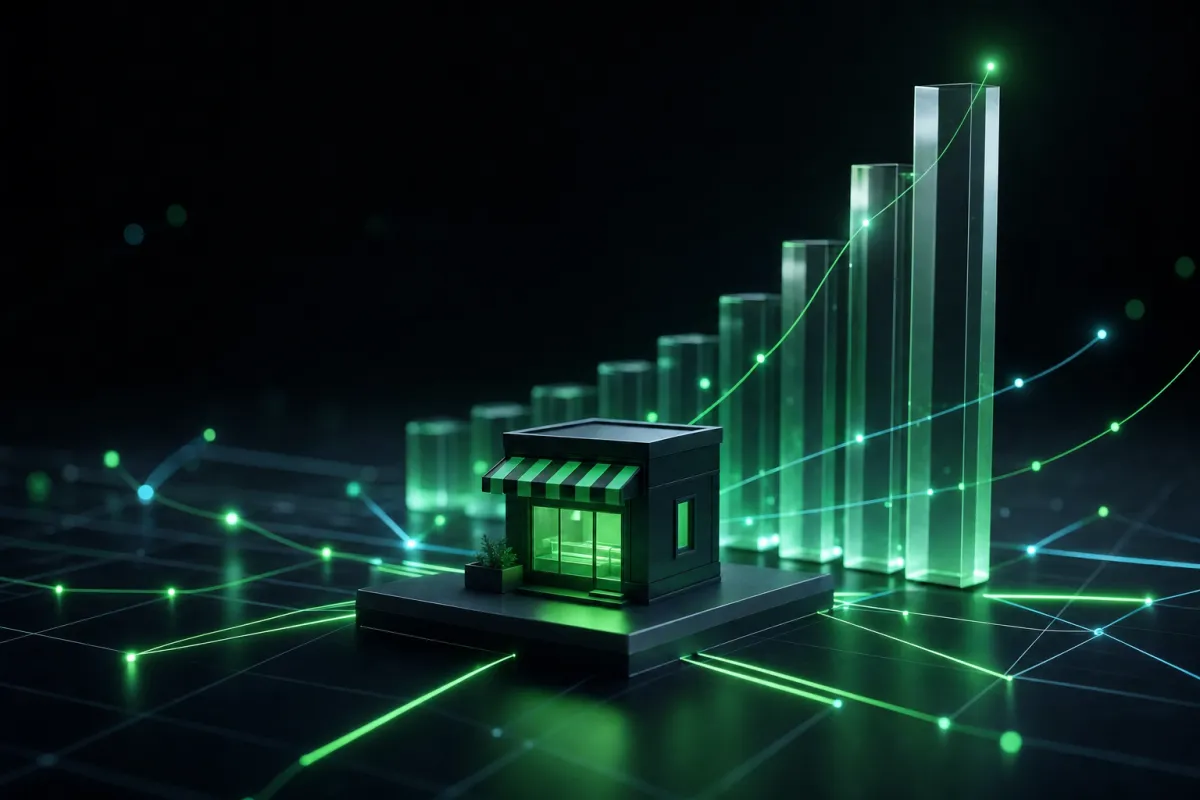
We built Submerce because many Indian sellers need a realtime commerce dashboard, not another separate login. Submerce is launching soon as an online store builder and realtime commerce dashboard for Indian businesses, starting with online stores.
Key takeaways
- Submerce brings the online store, orders, payments, shipping, GST-ready invoices and customers into one dashboard.
- Realtime means new orders, payments and alerts appear the moment they happen, without refreshing the page.
- We designed Submerce India first, with COD, UPI, Indian couriers, GST-ready invoices and rupee pricing.
- The engineering rule is simple: write to the database first, then push the realtime event to dashboards.
- Submerce is launching soon and starts with online stores; dashboards for hotels and restaurants are planned next.
Why does an Indian seller need a realtime commerce dashboard?
An Indian seller needs a realtime commerce dashboard because selling online often becomes a chain of small, disconnected tools. One tool builds the website. Another collects payment. Another books shipping. Another creates GST invoices. A spreadsheet becomes the place where people try to reconcile everything.
That setup can work in the beginning. It is also familiar, because many teams start by solving one problem at a time. The trouble starts when orders increase, support questions arrive, payments need checking, and someone has to confirm whether an order has shipped or returned.
Bytecode builds online stores, SaaS products and custom software (see our SaaS development work). One lesson from that work shaped Submerce: a seller needs more than a storefront. They need one operational screen that shows what is happening now.
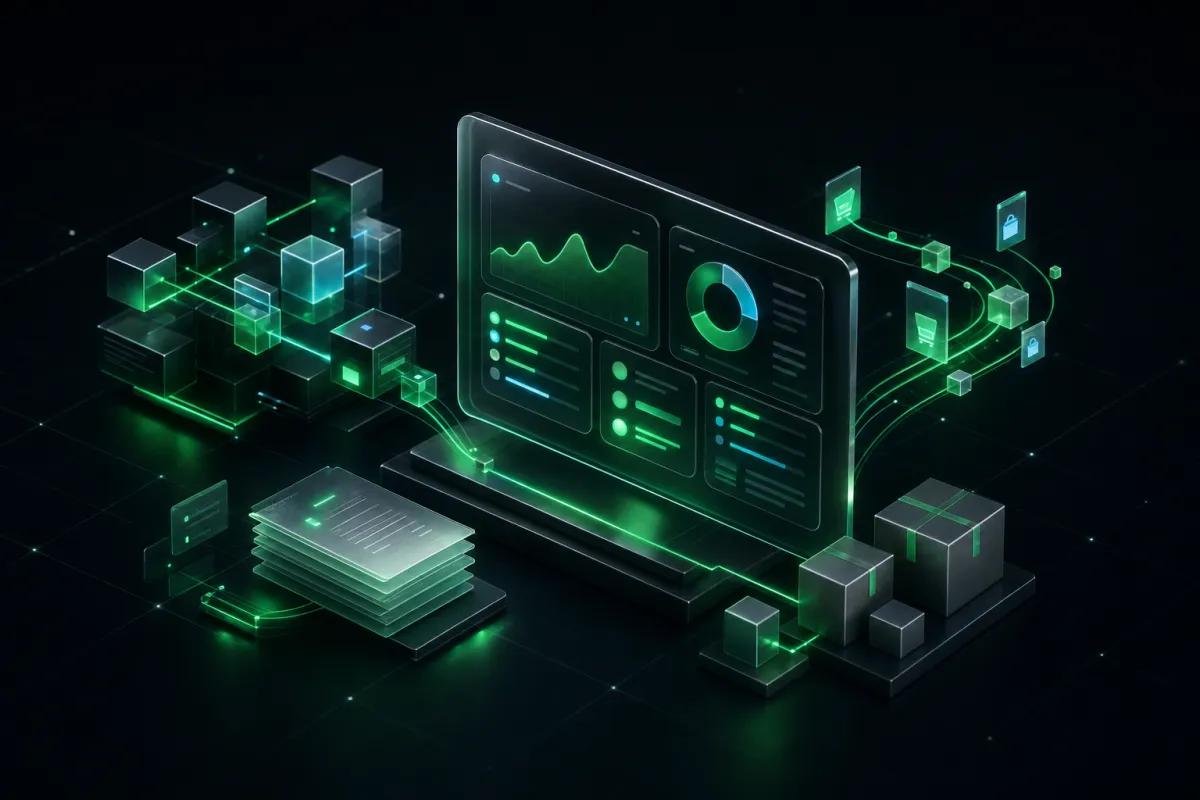
That is the problem Submerce answers. It starts with an online store at yourname.submerce.in, or on your own domain from the Starter plan. It brings the store, orders, payments, shipping, GST-ready invoices and customers into one dashboard, with no developer, no agency and no extra apps.
What is Submerce, and what is it not?
Submerce is an online store builder and realtime commerce dashboard for Indian businesses, and it is launching soon. It is not a marketplace, and it is not a promise that one product fits every kind of business.
It starts with online stores. Dashboards for hotels and restaurants are planned next. That order matters because online sellers have a clear daily workflow: list products, receive orders, collect payment, ship parcels, issue invoices, handle returns and answer customers.
Payments in Submerce are designed around Indian checkout behaviour. Unified Payments Interface (UPI) means India’s bank-to-bank instant payment system used through apps. Cash on delivery (COD) means the buyer pays at delivery. COD is available on every plan. UPI, cards, netbanking and wallets through payment gateways like Razorpay are available from the Starter plan.
Shipping is designed around Indian courier workflows. An Air Waybill (AWB) is the tracking number used by couriers. Return to origin (RTO) means a parcel is returned to the seller instead of being delivered. Submerce lets sellers ship with Indian couriers and track AWB, delivery and RTO on each order.
The usual setup vs one dashboard
The usual setup asks the seller to connect mental dots across tools; one dashboard puts the daily jobs in the same place. This is not a criticism of any tool. Many platforms are useful in the right context. The point is that a small seller should not need an operations team just to know what happened today.
| Job | Usual stitched setup | Submerce approach |
|---|---|---|
| Store | Website builder or custom site | Online store at yourname.submerce.in, or own domain from Starter |
| Payments | Gateway dashboard and manual checks | COD on every plan; UPI, cards, netbanking and wallets through gateways like Razorpay from Starter |
| Shipping | Courier app and tracking sheet | Indian couriers with AWB, delivery and RTO tracking on each order |
| GST invoices | Billing software or spreadsheet | GST-ready invoices, credit notes and GST reports |
| Customers | Spreadsheet and order history split across tools | Customers brought into the commerce dashboard with store and order data |
The six ideas behind this realtime commerce dashboard
The six ideas behind Submerce are India first, realtime by default, honest pricing, ownership of your store and customer data, help close to the work, and simple before clever. These sound obvious, but each one creates product tradeoffs.
India first
India first means the product starts from Indian selling habits, not from a generic global checklist. A Permanent Account Number (PAN) is an Indian tax identification number. A Goods and Services Tax Identification Number (GSTIN) is the registration number for a GST-registered business. GST means Goods and Services Tax.
Submerce onboarding starts with a GSTIN, or a PAN for sellers not yet GST-registered. It supports GST-ready invoices, credit notes and GST reports. As of 2026, GST registration rules, rates and thresholds can change, so you should check your exact position with a CA. This is not legal or tax advice.
Realtime by default
Realtime by default means the dashboard should change when the business changes. New orders, payments and alerts should appear as they happen, with no refreshing.
This matters on busy days. A seller should not call a team member to ask if a payment came in. They should not refresh three tabs to confirm whether an order exists. If the system knows, the dashboard should know.
Honest pricing in rupees
Honest pricing means the seller should understand the plan before speaking to anyone. Submerce plans are monthly, in rupees, with no setup fee: Free ₹0, Starter ₹999, Growth ₹2,499 and Pro ₹6,999.
The Free plan includes cash on delivery only, 50 products and 1 staff seat. Own domain, payment gateways such as Razorpay, and more commerce operations start from the Starter plan. You can see the plans at Submerce pricing.
Your store and your customers
Your store and your customers means the seller should not feel trapped inside a black box. A store is an asset. Customer records, order history and product data are operational assets too.
That is why the product thinking includes spreadsheet export as a basic trust principle. If a seller needs to review, share or move operational data, the product should not make that feel like a fight.
Help inside the product
Help inside the product means guidance should be close to the task. If a seller is creating invoices, payment settings or shipping flows, the help they need should not feel far away from the screen they are using.
We prefer this to clever onboarding theatre. Commerce work is practical. The product should explain the next decision at the moment the seller is making it.
Simple before clever
Simple before clever means we choose clear workflows over impressive-looking features. A realtime map looks good, but it must answer a real question.
Submerce Live view, which shows visitors on a map of India, is on the Growth and Pro plans. That belongs after the core work: store, orders, payments, shipping, GST-ready invoices and customers.
What does realtime mean in practice for a seller?
Realtime means the dashboard updates the moment the backend confirms something has changed. If a new order arrives, it appears. If a payment is confirmed, the order state changes. If an alert is raised, the screen shows it without a manual refresh.
This is not only a visual effect. It reduces uncertainty. When two people are handling orders, both need the same truth. If one person sees an order and another does not, the team starts using calls and chats as a second database.
A realtime commerce dashboard should also respect operational pace. Not every update deserves drama. Some events need attention. Others should quietly update counts, filters and order status.
For Indian sellers, realtime is useful across common workflows. COD orders may need confirmation. UPI or card payments may need quick verification. Shipping updates may change support replies. A PIN code is India’s postal delivery code, and sellers often need accurate shipping information tied to each order.
How did we build the realtime commerce dashboard safely?
We built the realtime layer around one rule: the database is the source of truth. Every change, whether it is an order, payment or stock update, is written to the database first. Only after that write commits does the server push a realtime event to open dashboards over WebSockets.
A WebSocket is a persistent browser-server connection used for live updates. The tradeoff is that it adds engineering complexity. The benefit is important: a screen never shows something the database does not have.
We store money as whole paise, using integers, never floating-point rupees. Floating-point arithmetic can create tiny rounding errors. That is fine for some domains and not acceptable for commerce. The screen formats those integers as rupees with Indian digit grouping.
We also make “today” follow India time, not the server clock. Per-day charts and daily summaries should match the seller’s business day. For an Indian commerce product, Indian Standard Time is the natural boundary.
Submerce is multi-tenant. That means many stores use the same application, but every query is scoped to one store. Team members get roles with per-area permissions, so access can match operational responsibility.
Payments are treated carefully. An online payment is never marked paid just because the shopper’s browser says so. It is marked paid only by a signed webhook or by the payment gateway’s own answer. A webhook is a server-to-server message sent when a trusted external system reports an event.
These choices are not unique to Submerce. They are the same principles we recommend when building serious dashboards through custom application development or a focused SaaS MVP: make the source of truth explicit, treat money carefully, and design time zones on purpose.
What tradeoffs did we accept?
We accepted that simple commerce workflows are more valuable than a long feature list at launch. A product can be broad and still feel weak if the daily jobs are not solid.
We also accepted that India-first choices narrow the product. That is intentional. COD, UPI, GST-ready invoices, Indian couriers, AWB tracking and RTO are not edge cases for Indian sellers. They are everyday operations.
Realtime also has a cost. It requires more careful backend design than simple page refreshes. We think that cost is worth paying only where it reduces seller uncertainty. In Submerce, that means orders, payments and alerts reach every open dashboard as they happen.
Frequently asked questions
Is Submerce available today?
Submerce is launching soon. It is an online store builder and realtime commerce dashboard for Indian businesses, starting with online stores.
Can I use my own domain with Submerce?
Yes, a business can use its own domain from the Starter plan. A business can also get an online store at yourname.submerce.in.
Does Submerce support cash on delivery?
Yes. Cash on delivery is available on every Submerce plan. UPI, cards, netbanking and wallets through payment gateways like Razorpay are available from the Starter plan.
Does Submerce create GST invoices?
Submerce supports GST-ready invoices, credit notes and GST reports. Onboarding starts with a GSTIN, or a PAN for sellers not yet GST-registered. Check current GST rules with a CA, because tax rules can change.
What makes it a realtime commerce dashboard?
Orders, payments and alerts appear when they happen, without refreshing. Under the hood, Submerce writes changes to the database first and then pushes realtime events to open dashboards.
Talk to Bytecode about your commerce product
If you are building a commerce product or replacing a stitched-together operations flow, we can help you think through the system before code gets expensive. Talk to Bytecode, a New York-based web, SaaS and e-commerce development studio.